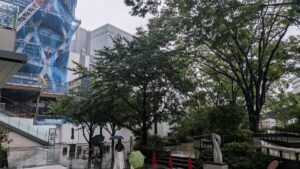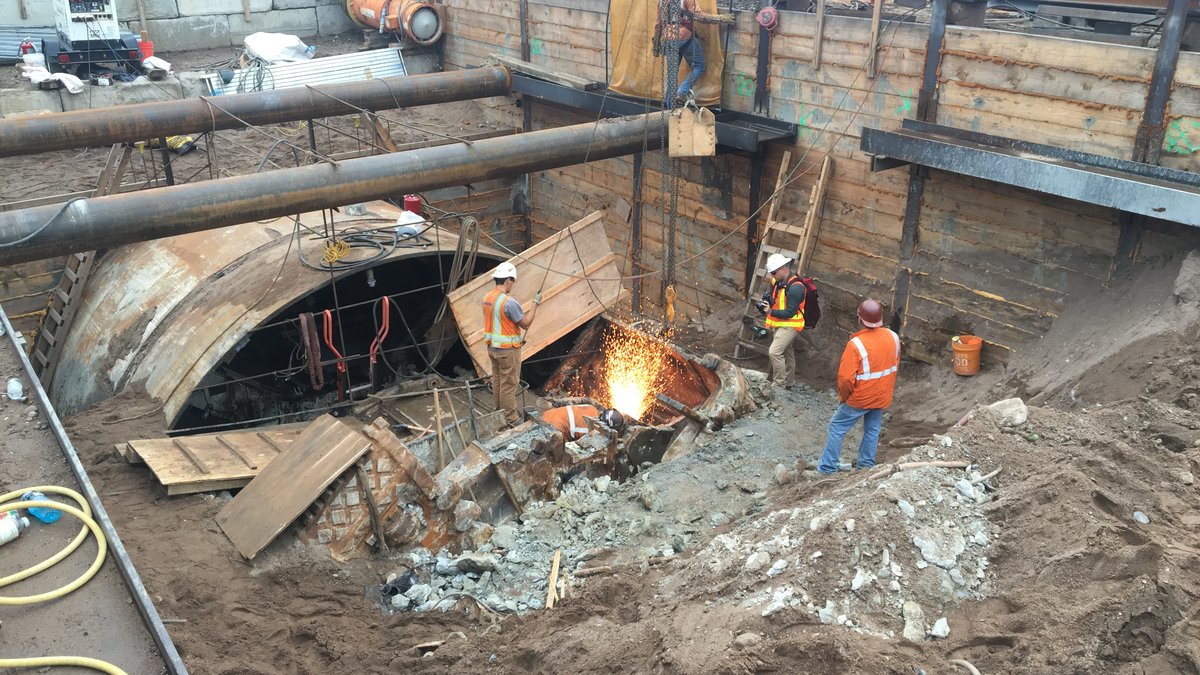
Tunnel Boring Machines (TBM): Earth Pressure Balance, Slurry Shields, and Deep Underground Excavation Mechanics
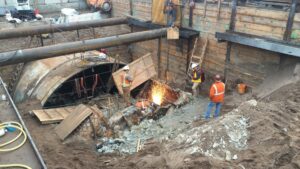
Underground urban transit lines, subsea rail corridors, and high-altitude trans-mountain water diversions would be economically and physically impossible without Tunnel Boring Machines (TBMs). Weighing ...
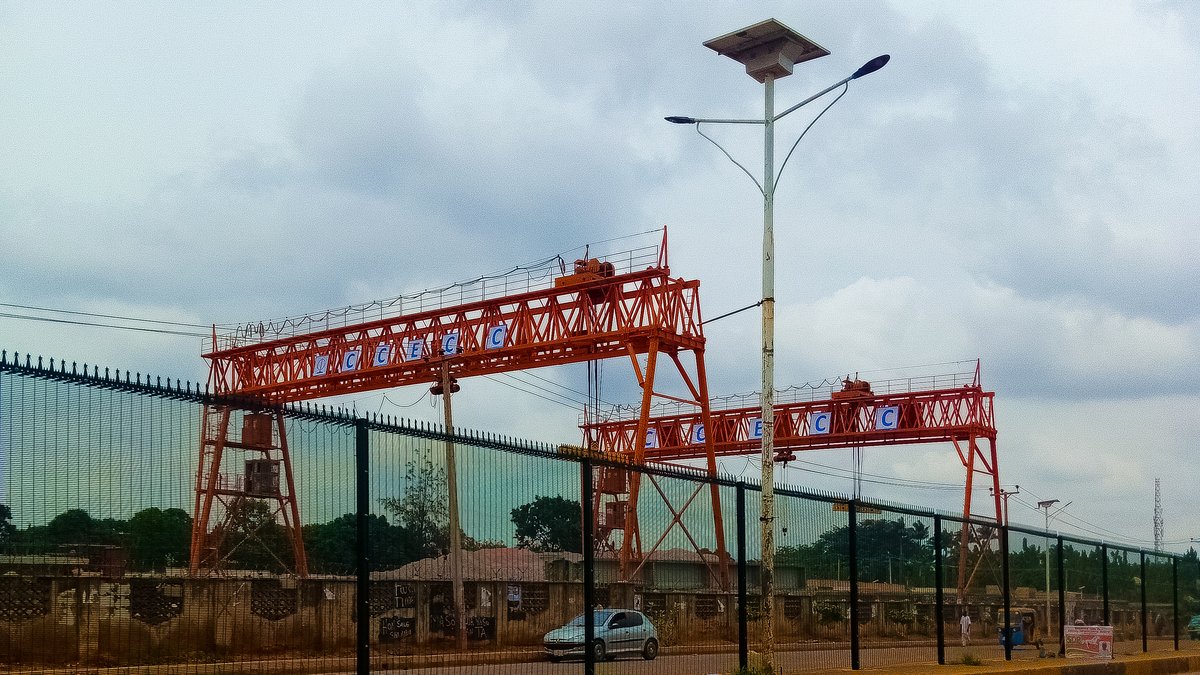
Landslide Mitigation and Slope Stabilization: Soil Nailing, Micropiles, Geogrids, and Retaining Wall Engineering
Landslides, rockfalls, and slope slope instability pose catastrophic hazards to highway corridors, rail networks, and residential developments across mountainous terrain. Slope stabilization engineering utilizes ...
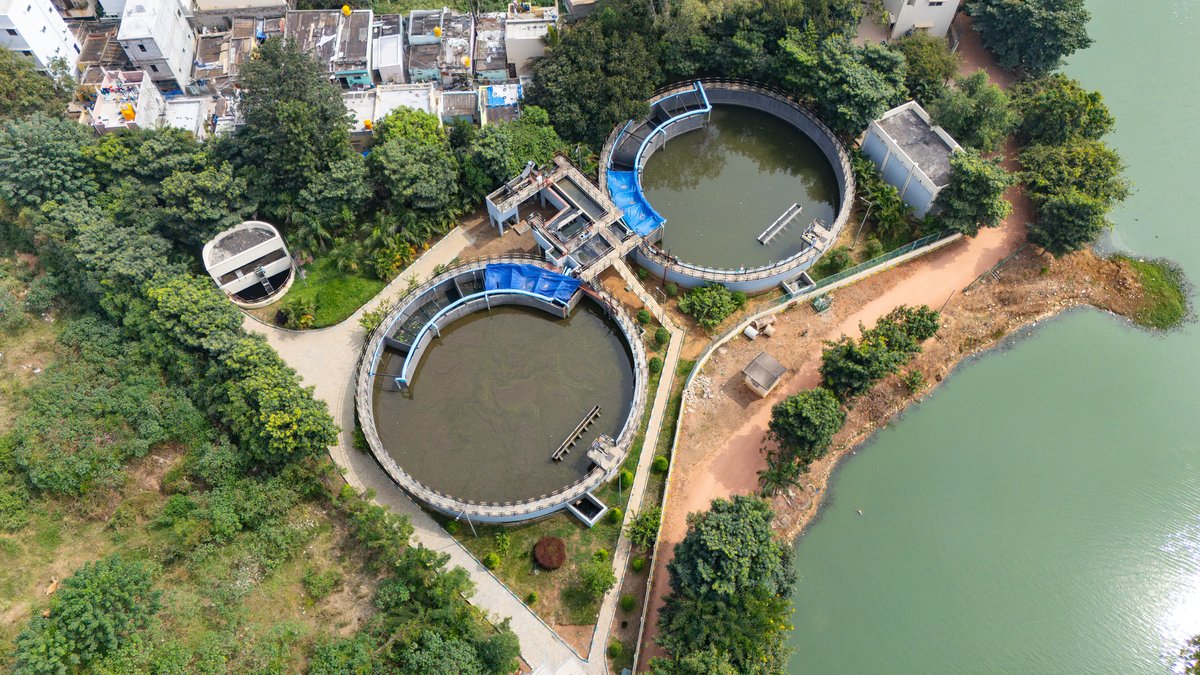
Water Treatment Plants and Municipal Wastewater Infrastructure: Hydraulic Design, Membrane Bioreactors, and Environmental Engineering
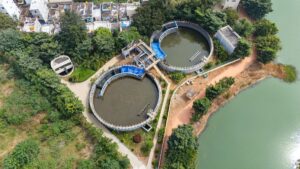
Access to clean potable water and the sanitary management of municipal effluent constitute the most critical life-support foundation of human civilization. Modern water treatment ...

Structural Health Monitoring: Acoustic Emissions, Fiber Bragg Grating Sensors, and Predictive Digital Twins in Modern Infrastructure
Civil infrastructure assets—such as suspension bridges, deep bore tunnels, high-arch dams, and viaducts—experience relentless cyclic fatigue, environmental corrosion, seismic tremors, and thermal expansion over ...
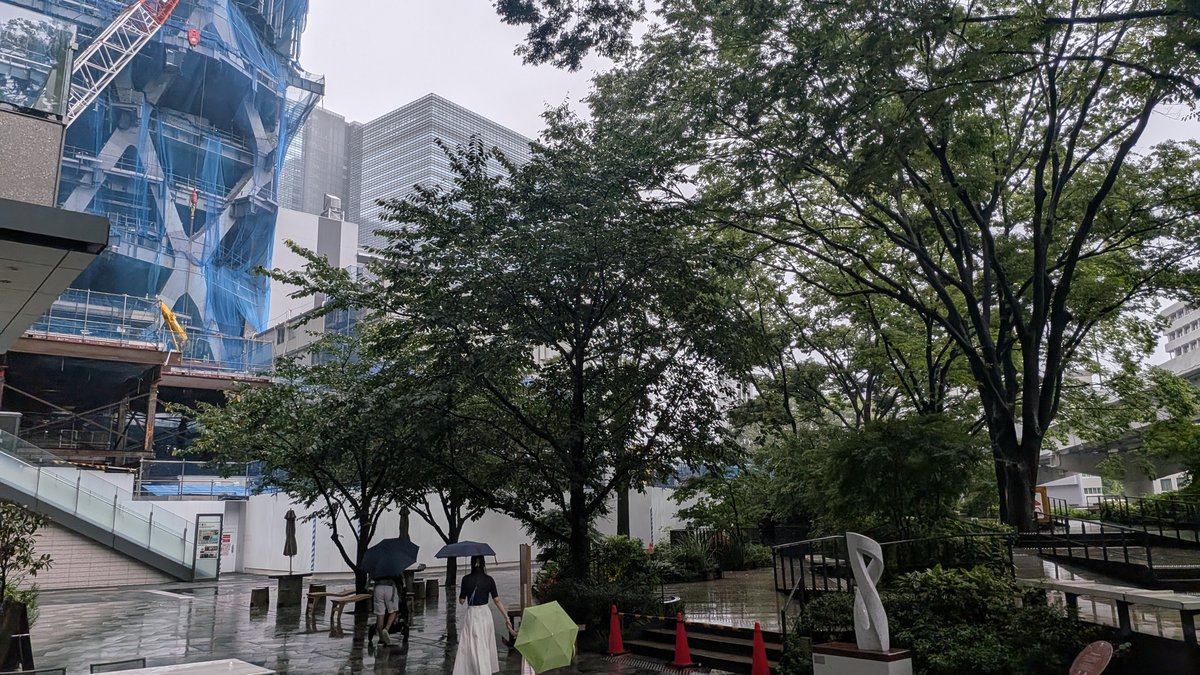
Reaching the Clouds: Supertall Skyscraper Structural Systems, Megacolumns, and Wind Aerodynamics
As buildings rise past 300 meters (Supertall) and 600 meters (Megatall), structural engineering undergoes a fundamental paradigm shift. Below 20 stories, buildings are governed ...

Infrastructure Economics: Public-Private Partnerships (PPP), Lifecycle Costing, and Megaproject Finance
Civil infrastructure is not merely a triumph of physical physics; it is an exercise in complex macroeconomic financial engineering. Mega-projects—costing billions of dollars and ...
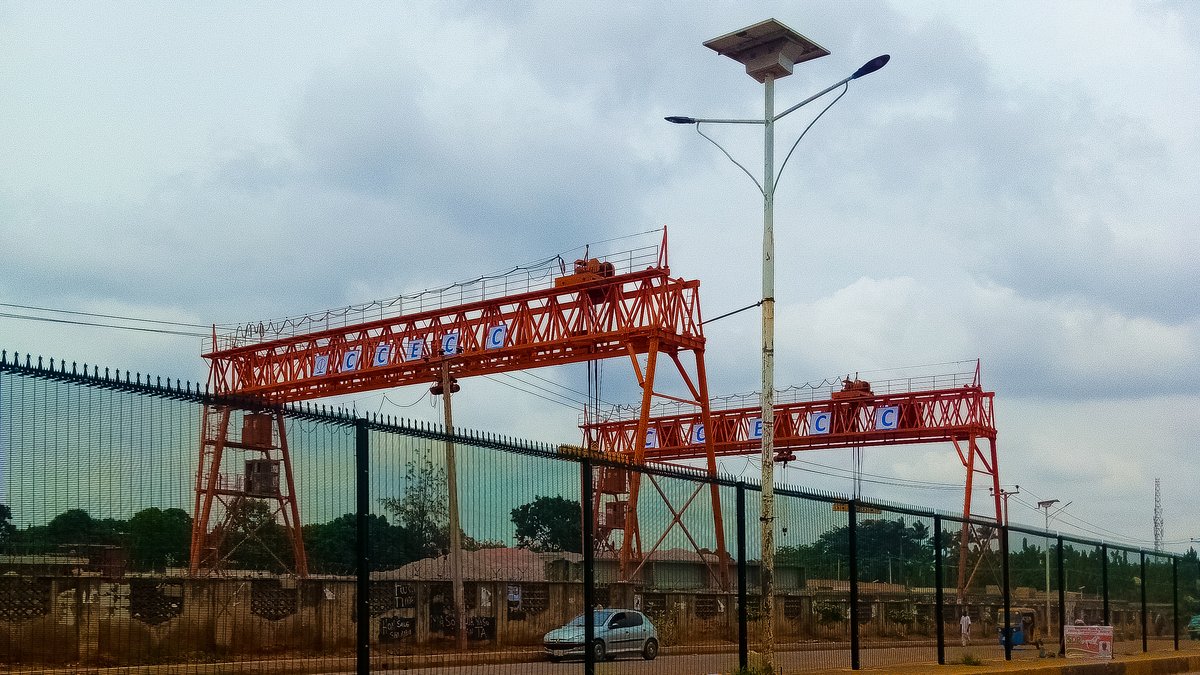
Cyber-Physical Civil Works: IoT Sensor Networks, Fiber-Optic Telemetry, and Smart City Asset Management
Infrastructure has entered the era of the Cyber-Physical System (CPS). Today, bridges, highway networks, water distribution pipelines, and subway tunnels are no longer passive ...
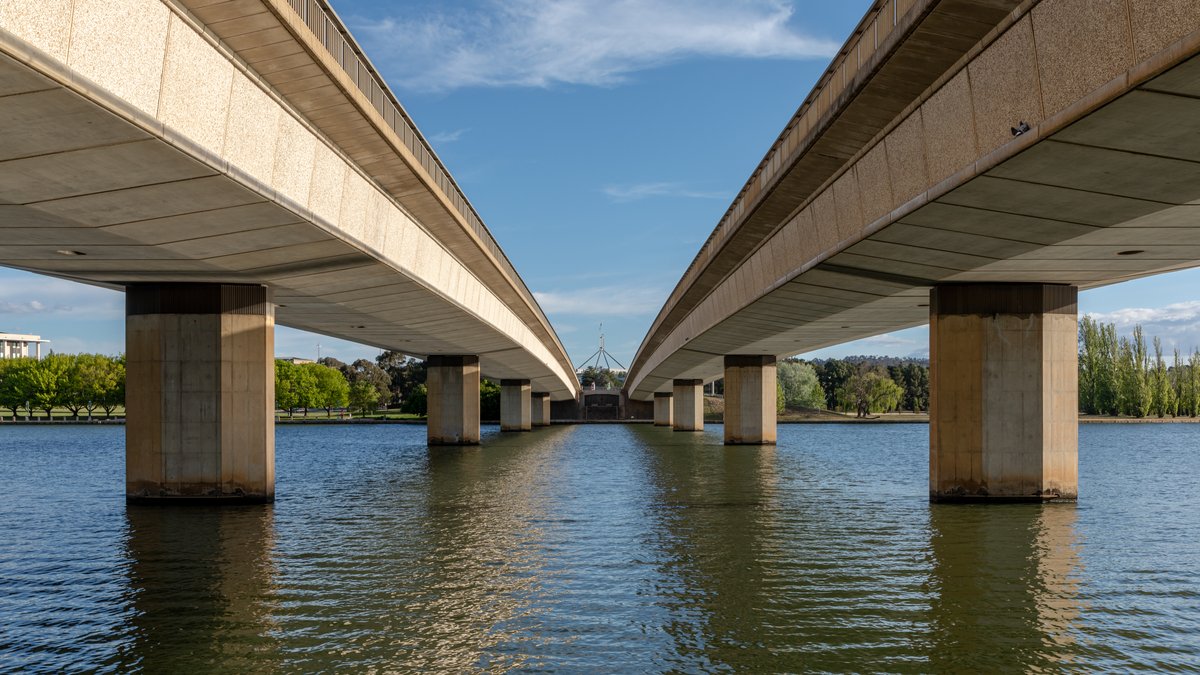
Decarbonizing Civil Engineering: Geopolymers, Calcined Clay LC3, and Carbon-Negative Concrete
Concrete is the most consumed substance on Earth after water. Over 30 billion tonnes of concrete are poured annually to erect our bridges, dams, ...
Seismic Structural Engineering: Base Isolation Systems, Tuned Mass Dampers, and Ductile Detailing
Earthquakes are the ultimate test of civil infrastructure. When tectonic fault ruptures release terajoules of seismic energy, seismic shear shockwaves accelerate the ground beneath ...
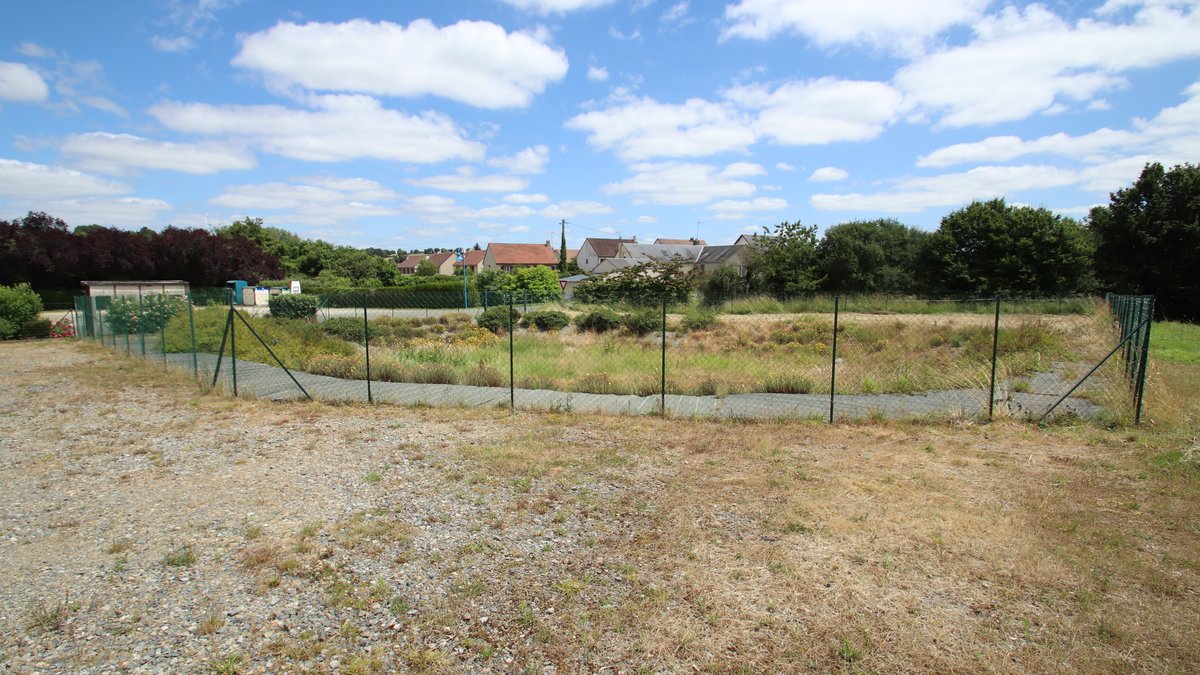
Urban Flood Defense: Stormwater Modeling, Retention Basins, and Sponge City Infrastructure
Urbanization replaces natural permeable soils and forests with impervious roofs, asphalt highways, and concrete plazas. When extreme meteorological storms strike, precipitation can no longer ...